

Science on the farm – a stronger livestock sector: EU Ministers seek solutions for the sector’s future
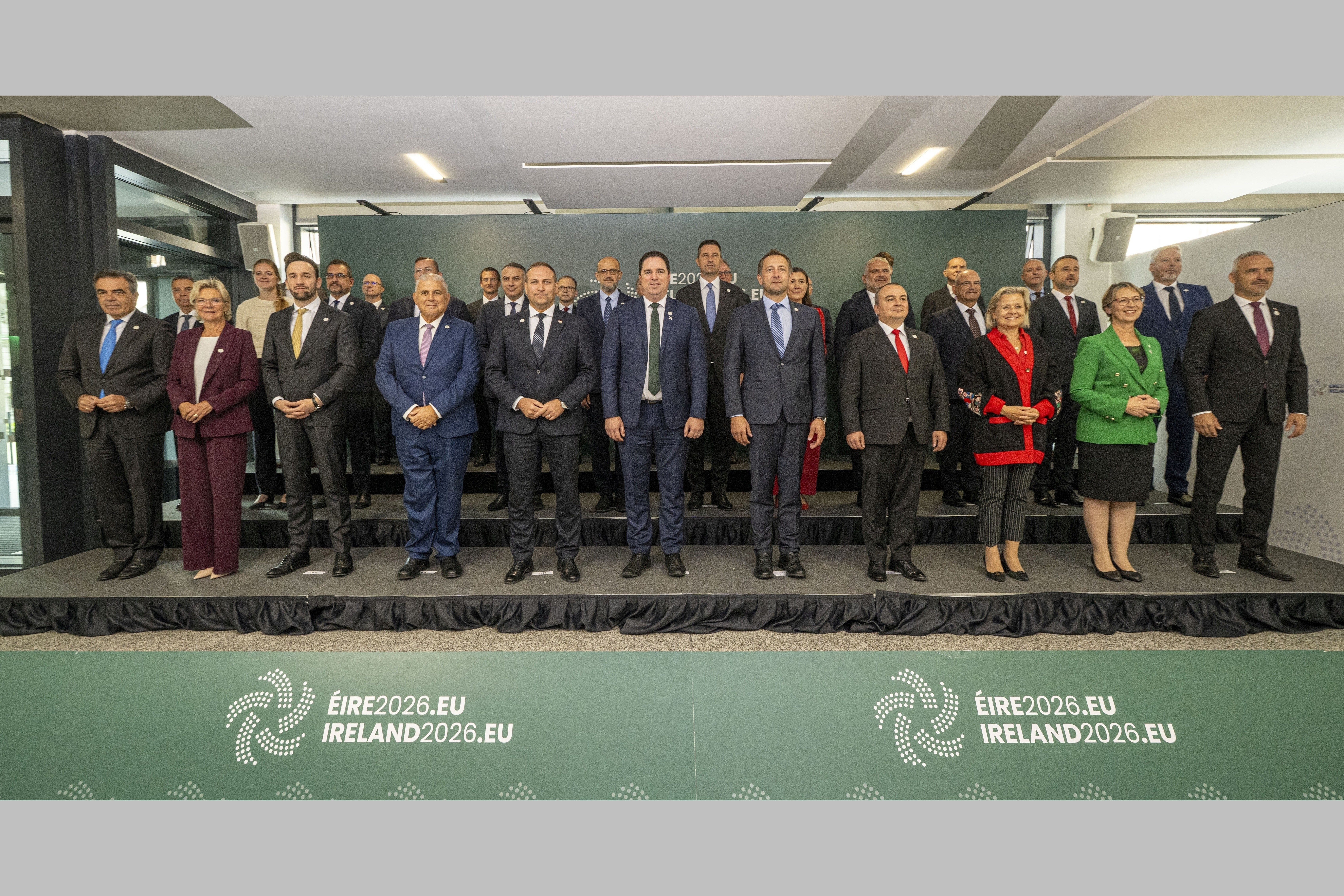
© Official image archive of the Irish Presidency of the Council of the EU 2026 / Michael Chester
The future of the livestock sector will depend not only on investment in farms, but also on how quickly scientific knowledge, innovations and digital technologies are implemented. This was emphasised at the informal meeting of European Union (EU) agriculture ministers held in Dublin, which focused primarily on the importance of research and innovation in strengthening the productivity, resilience, and animal welfare of the livestock sector.
The ministers’ agenda also included visits to the Lyons Farm Teaching and Research Centre at University College Dublin and the Irish Cattle Breeding Federation’s Tully Progeny Test Centre. These visits provided a first-hand insight into how research, genetics and data-driven decisions are already contributing to solving practical challenges on farms today.
“The livestock sector faces a number of challenges simultaneously – increasing productivity and competitiveness, ensuring animal welfare, using resources more efficiently, adapting to climate change, while also remaining attractive to the younger generation. We must seek answers to these questions not by pitting productivity against sustainability, but by resorting to science and innovation,” says Lithuanian Deputy Minister of Agriculture Rolandas Taraškevičius, who represented Lithuania at the meeting.
According to him, simply developing a new technology or an innovative solution is not enough. The true value of innovation emerges when it reaches the farm and becomes part of day-to-day work.
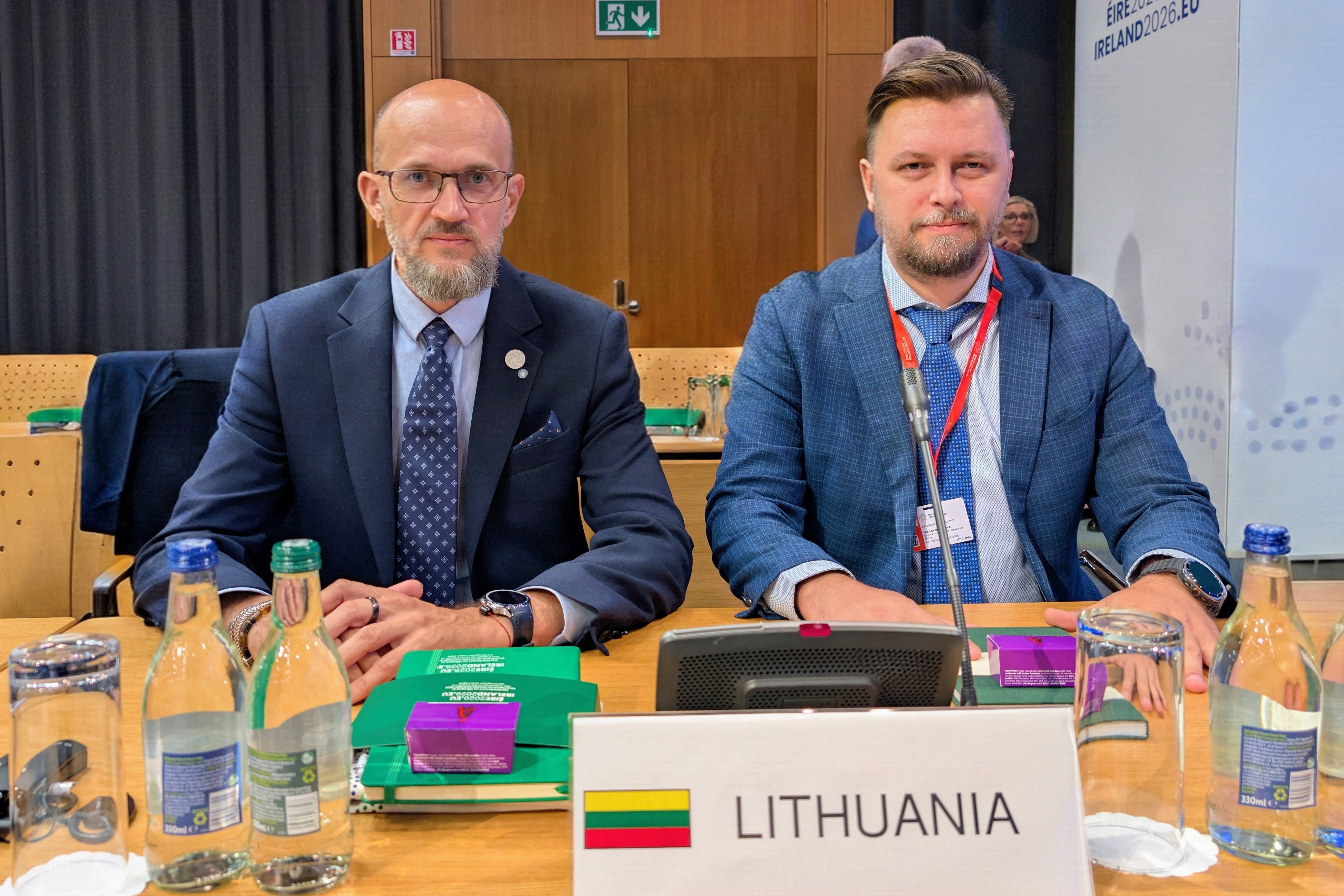
“We must create the conditions for farmers to test new solutions, adapt them to their own farms and access the necessary funding. It is particularly important that innovations are not limited to the largest farms. Small and medium-sized farms must also have the opportunity to benefit from digital technologies, robotics, advances in genetics and other research findings, which can help farmers not only to increase production efficiency but also to detect animal health problems earlier, manage feed use more precisely, reduce losses and improve animal welfare standards. This requires not only investment, but also knowledge, advice, training and cooperation among farmers,” said the Deputy Minister.
Better animal health, proper housing conditions, genetic solutions and individually tailored feeding can contribute to both higher productivity and greater efficiency in the use of resources.
According to R. Taraškevičius, innovation can also become an effective response to the issue of generational renewal. A modern, technology-driven farm can be more attractive to young farmers, whilst digital solutions make it possible to automate some of the physically demanding and time-consuming tasks.
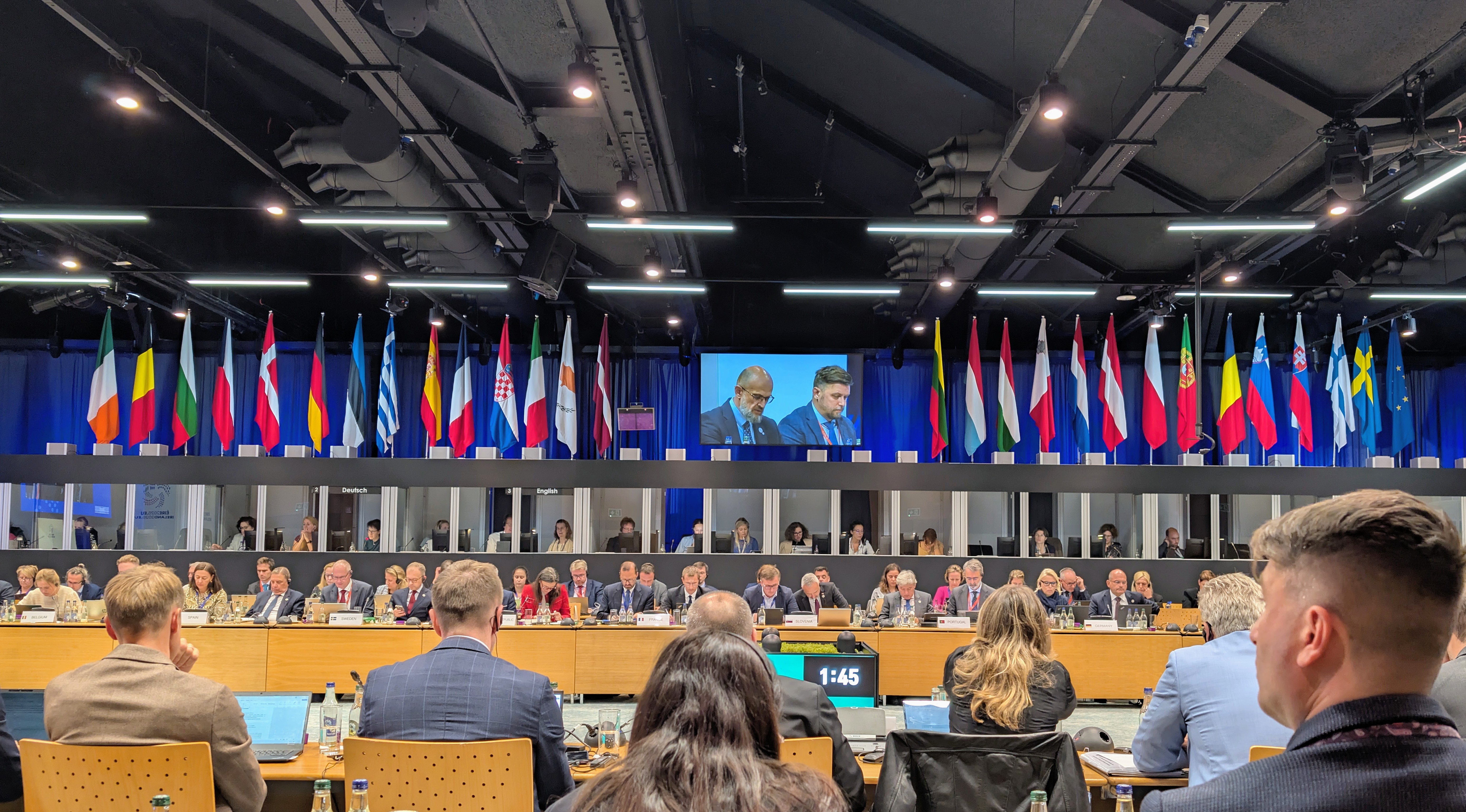
From the laboratory to the barn
The discussions held in Dublin highlighted one key factor: the competitiveness of the European livestock sector will be measured not only by the number of new technologies developed, but also by how quickly they are adopted on real farms.
Therefore, in order to strengthen the sector’s resilience, it is important to foster closer cooperation between researchers, businesses, farmers and policymakers. Research findings must be translated into practical solutions, while farmers’ experience should serve as a stimulus for new research and innovation.
These discussions are remarkably relevant for Lithuania as it prepares to take over the Presidency of the Council of the European Union. From the beginning of next year, Lithuania will assume responsibility for coordinating the Council’s work and for six months will bring Member States together to seek common solutions for the future of European agriculture. It is therefore important, already now, to learn from the experience of other countries, identify common challenges and seek solutions that would help European farms to remain competitive, resilient and prepared.
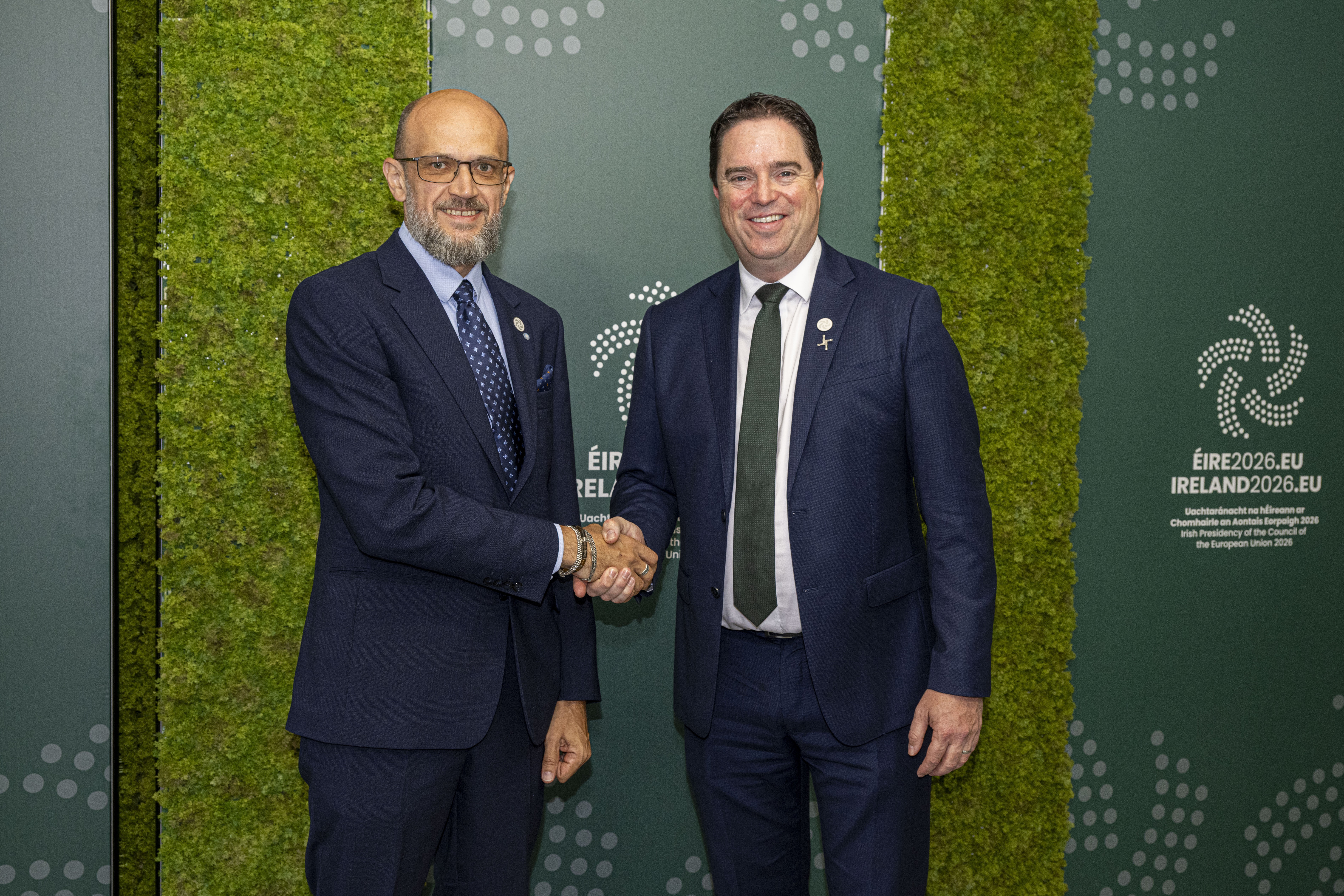
© Official image archive of the Irish Presidency of the Council of the EU 2026 / Michael Chester