

Attracting young people to the fisheries sector requires a sustainable, safe and competitive future
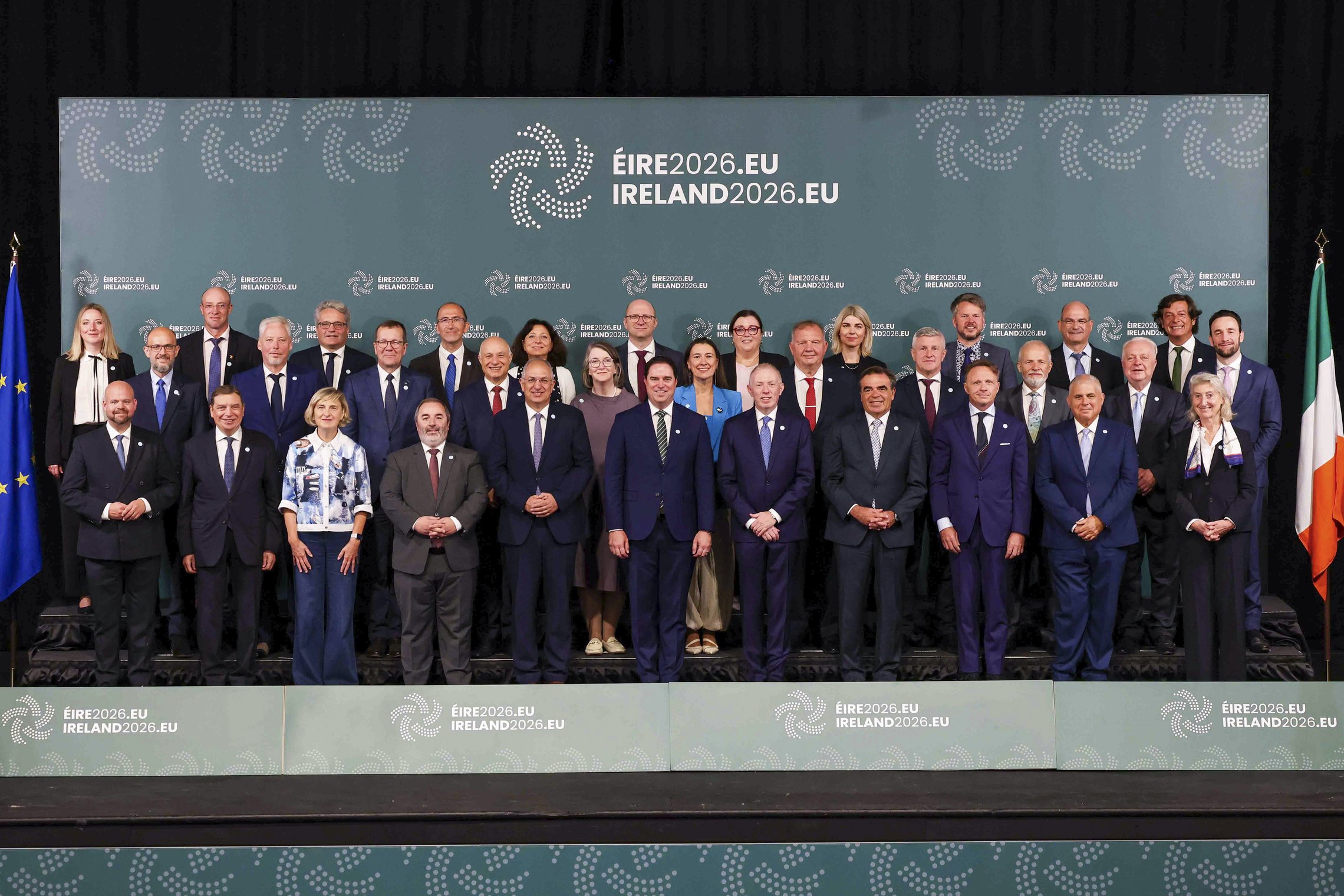
At an informal meeting of European Union (EU) fisheries ministers held yesterday in Cork, Ireland, participants discussed the changes needed to attract younger generations to the fisheries and aquaculture sectors. Between 2017 and 2023, the number of workers under the age of 40 in the fisheries sector declined, and while employment in the aquaculture sector remained stable, it did not grow as expected.
Lithuania’s position is clear: only sustainably managed fish stocks, safe working conditions, simplified regulatory requirements and sufficient EU funding will encourage young adults to enter these sectors.
The importance of clear and long-term perspectives
During the meeting, Vice Minister of Agriculture Rolandas Taraškevičius stressed that generational renewal depends first and foremost on sustainable fish stocks and predictable fishing opportunities.
“Young people will be drawn to this sector only if they see a viable long-term future. Financial incentives alone cannot attract the next generation without sufficient fish stocks and reliable fishing opportunities,” the Vice Minister said.
Furthermore, simplifying the sector's regulatory framework is essential. Complex fisheries control rules, technical requirements and overly demanding conditions for accessing EU financial support create unnecessary administrative burdens and discourage new entrants from joining the sector.
A safer and more modern sector
Lithuania raised concerns about the ageing EU fishing fleet. Outdated vessels limit operational efficiency and do not always meet modern safety, working and onboard living standards. “EU rules and financial support must create real opportunities to invest in safer, more efficient and environmentally sustainable vessels. Funding conditions must be clear, predictable and, above all, practically implementable,” R. Taraškevičius stated.
It is equally important to provide young people with opportunities to acquire professional qualifications, improve their skills, pursue careers and start or take over businesses.
Stable EU funding is essential
Lithuania believes that the future multiannual EU financial framework must ensure sufficient, predictable and accessible funding for the fisheries and aquaculture sectors. Financial support should empower younger individuals to enter or take over businesses, improve access to finance and invest in fleet renewal, training, innovation and income diversification. “The agricultural sector provides a useful example, with young farmers receiving targeted EU support on a consistent basis. A similar long-term support model could be introduced for young fishers and people starting their own aquaculture businesses,” the Vice Minister noted.
Lithuania underlined that generational renewal cannot be achieved through a single measure. Younger generations will enter the sector only if it offers a safe, dignified and economically promising future.